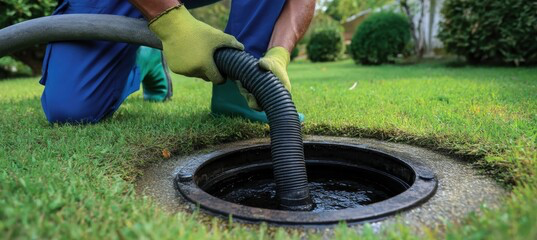
Septic tank pumping cost is an important consideration for homeowners who rely on a private wastewater system. Routine pumping removes accumulated sludge and scum before they interfere with normal operation, helping protect the septic tank and drain field from expensive damage. Although the final price varies from one property to another, understanding the main cost factors makes it easier to plan ahead and avoid unexpected expenses.
Tank size, accessibility, waste levels, service frequency, and additional repairs can all influence the amount homeowners pay. Regular Septic Tank Pumping Fresno is usually far more affordable than dealing with a sewage backup or replacing a damaged septic system.
What Is the Average Septic Tank Pumping Cost?
The average septic tank pumping cost generally falls between $300 and $600 for a standard residential system. Smaller tanks with easy access may cost less, while larger tanks or more complicated properties may cost more. Pricing can also vary depending on local labor rates, disposal fees, and the distance the service provider must travel. Homeowners should remember that quoted prices may include only basic pumping and not additional inspection or repair work. Requesting a detailed estimate helps clarify what is included in the service.
Some properties may have costs outside the typical range because no two septic systems are exactly the same. A heavily neglected tank may require extra time and equipment to remove compacted waste. Difficult terrain, buried access lids, or damaged components can also increase labor requirements. Emergency pumping outside normal business hours may carry additional charges. Understanding these possible variables helps homeowners create a more realistic maintenance budget.
What Factors Affect Septic Tank Pumping Cost?
Tank size is one of the main factors that affects septic tank pumping cost. Larger tanks contain more wastewater and accumulated solids, so they require more time and disposal capacity to empty. A small residential tank may be completed relatively quickly, while a larger system may require additional labor and equipment. The amount of waste inside the tank also matters because heavily filled systems take longer to pump thoroughly. Regular maintenance usually keeps the process faster and more predictable.
Accessibility can also have a major effect on pricing. If the tank lid is buried deep underground or covered by landscaping, technicians may need to spend extra time locating and uncovering it. Long distances between the tank and the pumping truck may require additional hose or specialized equipment. Narrow driveways, steep slopes, fences, and soft ground can make access more challenging. Keeping the tank area clear and knowing the location of the access lid may help reduce unnecessary labor costs.
How Does Tank Size Influence the Price?
Residential septic tanks are available in several sizes, and larger systems generally cost more to pump. A tank serving a small household may hold less waste than one designed for a larger family or multi-bedroom home. Because pumping companies must transport and dispose of the removed material, a larger tank can increase both service time and disposal expenses. The exact amount depends on how full the tank is when the appointment takes place. Regular inspections help determine the best pumping schedule for the specific tank size.
Tank capacity should not be confused with the total amount removed during every service. A tank normally contains liquid during operation, so the pumping company may remove a mixture of wastewater, sludge, and floating scum. A well-maintained tank may be easier to empty than one with thick, compacted solids at the bottom. Infrequent maintenance can make the job more difficult even when the tank itself is not unusually large. Consistent care helps keep future pumping costs under control.
Can Additional Septic Services Increase the Cost?
Basic septic pumping usually covers opening the tank, removing waste, and securely closing the access point. However, additional services may increase the total price. A technician may recommend inspecting inlet and outlet baffles, checking the filter, examining the tank walls, or measuring sludge levels. These services can provide valuable information about the condition of the system. Early detection of damage may prevent a minor issue from becoming an expensive failure.
Repairs are normally priced separately from routine pumping. Damaged lids, cracked baffles, clogged filters, broken pipes, or deteriorated risers may require replacement or repair. A tank that has not been serviced for many years may also need more extensive cleaning to remove hardened solids. Some homeowners choose to install access risers during a pumping appointment to make future service easier. Although these additions increase the current bill, they may reduce maintenance difficulties and costs later.
How Often Should Homeowners Budget for Septic Pumping?
Many residential septic tanks require pumping every three to five years, but the ideal schedule depends on household conditions. Tank size, number of occupants, water usage, garbage disposal use, and waste habits all influence how quickly solids accumulate. A large household using a smaller tank may need more frequent service. A smaller household with responsible water use may be able to follow a longer interval. Regular professional inspections are the best way to determine the correct schedule.
Homeowners should include septic pumping in their long-term property maintenance budget rather than treating it as an unexpected emergency. Setting aside a small amount each year can make the eventual service cost easier to manage. Scheduled maintenance also allows homeowners to compare estimates and select a convenient appointment time. Waiting for backups, odors, or slow drains often leads to urgent service and higher costs. Planned pumping is typically more affordable and less disruptive than emergency maintenance.
Is Routine Pumping Worth the Cost?
Routine pumping is worth the cost because it helps protect the most expensive parts of the septic system. When sludge rises too high, solid waste may flow into the drain field and clog the surrounding soil. A damaged drain field can be difficult and costly to repair or replace. Pumping removes excess solids before they reach this critical part of the system. The cost of preventive maintenance is usually small compared with the expense of a major septic failure.
Regular service also helps reduce the risk of sewage backups inside the home. Backups may damage flooring, walls, furniture, and personal belongings while creating serious sanitation concerns. Emergency cleanup and plumbing repairs can quickly exceed the price of routine septic pumping. A dependable maintenance schedule supports safe wastewater treatment and protects the property from avoidable damage. Preventive care provides financial value as well as peace of mind.
How Can Homeowners Reduce Septic Tank Pumping Costs?
Homeowners can help control septic tank pumping costs by taking good care of the system between appointments. Limiting excessive water use gives solids enough time to settle properly inside the tank. Repairing leaking toilets and faucets can reduce unnecessary wastewater entering the system. Spreading laundry loads throughout the week also prevents sudden surges that may disturb the treatment process. Responsible water habits support efficient septic performance.
Proper waste disposal can also reduce the rate of sludge buildup. Cooking grease, wipes, paper towels, feminine hygiene products, cat litter, and other non-biodegradable materials should never be flushed or poured into the system. Garbage disposals may increase the amount of solid material entering the tank and could lead to more frequent pumping. Keeping accurate maintenance records also helps homeowners avoid pumping too early or waiting too long. Consistent care makes service needs more predictable.
How Can Homeowners Get an Accurate Pumping Estimate?
The best way to get an accurate estimate is to provide the service provider with detailed information about the property. Homeowners should share the approximate tank size, last pumping date, number of occupants, access conditions, and any warning signs they have noticed. Photos of the tank area may help the provider understand possible access challenges. A clear description allows the estimate to reflect the likely amount of work. It also reduces the chance of unexpected charges during the appointment.
Homeowners should ask whether the estimate includes locating the tank, digging up the lid, disposal fees, inspection, cleaning, and travel charges. Comparing several detailed estimates can help identify fair pricing without choosing solely based on the lowest number. Experience, equipment quality, insurance, and responsible waste disposal are also important considerations. A reliable service should explain the process and any additional recommendations clearly. Transparent pricing helps homeowners make informed decisions.
Final Thoughts
Septic tank pumping cost depends on tank size, accessibility, waste levels, location, service frequency, and any additional inspection or repair needs. Most standard residential pumping services fall within a manageable range when the system receives regular maintenance. Planning ahead, following a proper pumping schedule, and practicing responsible water and waste habits can help prevent higher costs. Routine pumping protects the tank, drain field, plumbing system, and overall property value. Investing in preventive septic care is one of the most effective ways to avoid disruptive and expensive wastewater problems.