A cracked driveway is more than just a cosmetic issue. Even small cracks can allow water to seep beneath the surface, weaken the supporting base, and gradually lead to more extensive damage over time. What begins as a minor imperfection can eventually become uneven concrete, larger fractures, or sections of the driveway that require complete replacement. The good news is that many driveway cracks can be repaired successfully when identified early and addressed with the proper techniques. Understanding how cracked driveways are repaired and what causes them to develop helps homeowners protect their property while extending the life of one of its most heavily used surfaces. Contact your local expert to learn more about how to Fix Cracked Driveways.
Why Do Driveways Develop Cracks?
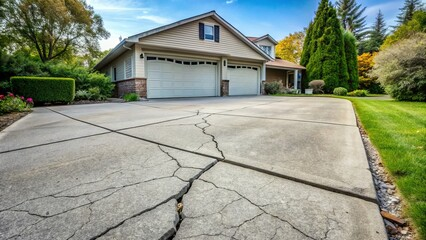
Concrete is a durable construction material, but it naturally experiences stress throughout its lifespan. Daily vehicle traffic, temperature changes, moisture, and normal aging all place pressure on the driveway over time. As the concrete expands and contracts with changing weather conditions, small cracks may begin to appear. While some minor surface cracking can occur naturally, larger or growing cracks often indicate that additional factors are affecting the driveway. Identifying these causes helps ensure repairs provide lasting results.
Movement beneath the driveway is another common reason cracks develop. Soil may shift because of changing moisture levels, poor drainage, erosion, or natural settling over time. When the supporting ground moves unevenly, the concrete above may respond by cracking under the additional stress. Tree roots, heavy vehicles, and repeated exposure to standing water may also contribute to damage. Understanding these underlying conditions is essential because repairing the crack alone will not prevent future problems if the original cause remains.
What Types of Driveway Cracks Can Be Repaired?
Many small and moderate driveway cracks can be repaired successfully without replacing the entire driveway. Hairline cracks, narrow surface fractures, and isolated damage often respond well when repaired before moisture and debris create additional deterioration. Early repairs help preserve the surrounding concrete while preventing cracks from widening over time. Acting promptly often extends the useful life of the driveway by many years. Regular inspections make it easier to identify these problems while they are still manageable.
Larger cracks may also be repairable depending on their cause and severity. If the surrounding concrete remains structurally stable, restoring the damaged section may provide an effective solution. However, cracks accompanied by significant settlement, uneven slabs, or widespread structural movement may require more comprehensive repairs before cosmetic improvements are completed. Evaluating the overall condition of the driveway helps determine the most appropriate repair approach. Every repair begins with understanding the condition of the entire surface rather than focusing only on the visible crack.
How Does the Driveway Crack Repair Process Work?
Successful crack repair begins with a thorough inspection of the damaged area. The condition of the crack, the surrounding concrete, and the supporting ground are all evaluated before any repairs begin. This inspection helps determine whether the damage is limited to the surface or whether underlying structural issues should also be addressed. Understanding the source of the crack allows repairs to focus on long-term performance instead of temporary appearance. Careful planning improves the effectiveness of the repair.
Once the inspection has been completed, the damaged area is prepared by removing loose concrete, dirt, vegetation, and other debris that could interfere with proper bonding. The repair materials are then applied according to the condition of the crack and the surrounding surface. After the repair has been completed, sufficient curing time allows the restored section to develop the strength needed for daily use. Proper preparation and curing are just as important as the repair itself because they contribute significantly to long-term durability.
Why Is It Important to Repair Cracks Early?
Small cracks rarely remain the same size forever. Moisture can enter even narrow openings and gradually weaken both the concrete and the supporting soil beneath it. As weather conditions change and vehicles continue using the driveway, these cracks often become larger and more noticeable. Addressing cracks early helps reduce the likelihood of more extensive damage while preserving the original driveway. Preventive repairs are often simpler and more affordable than correcting widespread deterioration later.
Early repairs also improve safety and appearance. Cracks that continue expanding may eventually create uneven surfaces that increase the risk of trips, falls, or minor vehicle damage. A smooth driveway not only looks more attractive but also provides better everyday functionality. Repairing cracks before they spread helps maintain curb appeal while protecting one of the property’s most visible exterior features. Timely maintenance supports both aesthetics and performance.
How Can Homeowners Prevent Future Driveway Cracks?
Although some natural aging is unavoidable, homeowners can take several steps to reduce the likelihood of future cracking. Maintaining proper drainage around the driveway helps prevent excess water from weakening the supporting soil beneath the concrete. Gutters, downspouts, and surrounding landscaping should direct water away from the driveway whenever possible. Reducing prolonged moisture exposure helps preserve both the concrete and its foundation. Good drainage remains one of the most effective forms of preventive maintenance.
Routine inspections also allow homeowners to identify minor problems before they become major repairs. Watching for small cracks, surface wear, drainage issues, or early signs of settlement makes it easier to respond quickly. Keeping the driveway clean by removing dirt, leaves, and debris also supports long-term durability by preventing moisture from remaining on the surface for extended periods. Consistent maintenance often extends the lifespan of the driveway while reducing repair costs over time.
When Should a Driveway Be Repaired Instead of Replaced?
Many homeowners assume that every cracked driveway must be replaced, but this is often unnecessary. When damage is limited to isolated cracks or minor surface deterioration, professional repairs can frequently restore the driveway’s appearance and functionality without requiring complete reconstruction. Repairing existing concrete preserves much of the original structure while minimizing disruption and reducing overall costs. Early intervention often allows homeowners to avoid more extensive work. Careful evaluation helps determine whether repairs remain the most practical option.
Replacement generally becomes a better solution when cracking is widespread, the driveway has experienced significant settlement, or structural damage affects large portions of the surface. In these situations, repairing isolated cracks may not provide lasting results because the underlying structure continues moving. Understanding the difference between repairable damage and conditions requiring replacement allows homeowners to make informed decisions. Proper assessment ensures the chosen solution provides long-term value.
How Do Repaired Driveways Improve Property Value?
A well-maintained driveway creates a strong first impression and contributes significantly to the overall appearance of a property. Visitors and potential buyers often notice the condition of the driveway before entering the home, making it an important part of curb appeal. Repairing visible cracks demonstrates responsible property maintenance while creating a cleaner and more attractive exterior. A properly maintained driveway reflects positively on the entire property. Small improvements often have a noticeable impact.
Driveway repairs also help protect future investments in landscaping, outdoor lighting, walkways, and other exterior improvements. Stable concrete provides a dependable foundation that complements surrounding features while reducing the likelihood of additional maintenance problems. Preserving the driveway supports both functionality and long-term property value. Routine repairs allow homeowners to enjoy a more durable and attractive entrance for years to come.
Final Thoughts
Fixing cracked driveways is an important part of maintaining the safety, appearance, and long-term durability of a property. By understanding what causes cracks, recognizing when repairs are appropriate, and addressing damage before it becomes more severe, homeowners can extend the lifespan of their existing driveway while avoiding unnecessary replacement costs. Careful inspections, proper repairs, regular maintenance, and good drainage all contribute to stronger and more reliable concrete surfaces. Investing in timely driveway repairs helps preserve curb appeal, improve everyday functionality, and protect one of the most frequently used areas of the home for many years to come.