Water can change the condition of a home faster than many people realize. A burst pipe, overflowing appliance, roof leak, or severe storm can introduce moisture that quickly spreads into walls, flooring, ceilings, and structural materials. Even after standing water has been removed, hidden moisture often remains behind, continuing to affect the property long after the visible signs have disappeared. Many homeowners believe cleanup ends once the floors are dry, but true recovery requires a much more comprehensive approach. Understanding the water damage remediation process helps homeowners appreciate the importance of acting quickly, preventing additional damage, and restoring their home safely after a water emergency.
What Is Water Damage Remediation?
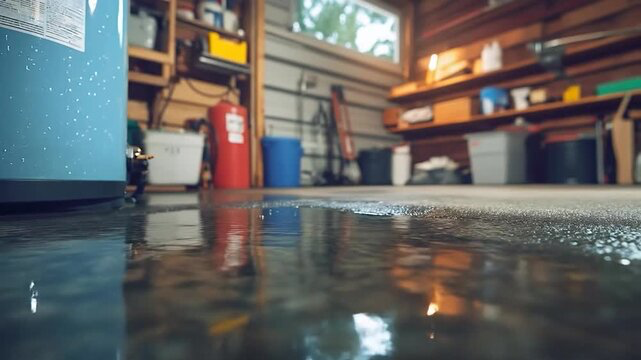
Water Damage Remediation Salt Lake City is the structured process of identifying, controlling, removing, and correcting the effects of unwanted water inside a property. Unlike simple cleanup, remediation focuses on addressing both visible water and hidden moisture that may continue affecting building materials after the initial incident. The objective is to stabilize the property, prevent further deterioration, and prepare the home for any repairs that may be necessary. Every remediation project begins with understanding how the water entered the home and how far it has spread throughout the structure. A thorough evaluation provides the foundation for every step that follows.
Remediation differs from basic restoration because it emphasizes controlling the conditions created by water damage before reconstruction begins. Moisture trapped inside walls, beneath flooring, or above ceilings can continue affecting structural components if left untreated. Removing standing water alone is rarely enough to solve the problem completely. Proper remediation addresses moisture throughout the entire affected area while helping preserve as much of the existing structure as possible. This comprehensive approach supports a safer and more successful recovery process.
What Is the First Step in the Water Damage Remediation Process?
Every successful remediation project begins with a careful inspection of the property. The first objective is identifying the source of the water and ensuring that additional moisture is no longer entering the home. Whether the problem resulted from a plumbing failure, roof leak, appliance malfunction, or another source, stopping the water intrusion is essential before any remediation work can begin. Once the source has been controlled, the affected areas are evaluated to determine the extent of the damage. This assessment provides valuable information for planning the remainder of the remediation process.
The inspection also helps identify areas where water may have spread beyond the immediately visible damage. Moisture frequently travels beneath flooring, behind walls, into insulation, and through structural framing. Homeowners may only notice wet flooring while hidden areas continue absorbing water nearby. A complete evaluation helps ensure these concealed areas are not overlooked. Identifying the full extent of moisture exposure allows remediation efforts to address the entire problem rather than only the obvious symptoms.
How Is Standing Water Removed?
After the inspection has been completed, the next priority is removing standing water from the affected areas. Water extraction helps prevent additional damage by reducing the amount of moisture available to soak deeper into building materials. Floors, carpets, and lower portions of walls often contain the greatest concentration of standing water immediately after a flooding event. Removing this water quickly limits the spread of moisture while creating better conditions for the drying process that follows. Prompt extraction significantly improves the overall success of remediation.
Although standing water removal is an important milestone, it represents only one stage of the overall process. Even after all visible water has been extracted, considerable moisture often remains trapped inside structural materials. Porous surfaces such as drywall, wood, insulation, and subflooring continue holding water beneath the surface. Homeowners sometimes assume the property is dry because puddles have disappeared, but hidden moisture frequently requires additional attention. Complete remediation depends on addressing both visible and concealed water throughout the home.
Why Is Thorough Drying So Important?
Drying is one of the most critical stages of water damage remediation because moisture hidden inside building materials can continue causing damage long after the initial flooding has ended. Walls, ceilings, flooring, cabinetry, and framing may all retain water that is not immediately visible. If these materials remain damp, they may gradually weaken, swell, warp, or deteriorate over time. Proper drying helps stabilize the home’s structural components before repairs begin. Taking sufficient time during this stage improves the long-term success of the entire remediation project.
Careful monitoring throughout the drying process is equally important. Surfaces that feel dry to the touch may still contain elevated moisture levels beneath the exterior. Monitoring progress helps confirm that affected materials continue drying before reconstruction begins. Allowing adequate drying time reduces the likelihood of ongoing structural concerns after remediation has been completed. A thorough drying process protects both the home’s condition and the effectiveness of future repairs.
What Happens After the Property Is Dry?
Once moisture has been reduced to appropriate levels, attention shifts toward evaluating the condition of affected materials. Some building components may recover fully after drying, while others may have experienced damage that requires repair or replacement. Floors, drywall, trim, insulation, ceilings, and cabinetry are carefully assessed to determine whether they remain structurally sound. This evaluation helps establish the scope of any rebuilding work needed to return the home to its previous condition. Accurate assessment supports efficient restoration planning.
Cleaning also plays an important role during this phase of remediation. Dirt, debris, and residue left behind by the water event are removed from affected areas before repairs begin. Preparing the property properly creates a clean environment for rebuilding while allowing remaining structural components to be evaluated more accurately. Homeowners benefit from knowing that both visible damage and less obvious concerns have been addressed before reconstruction starts. Careful preparation contributes to better long-term restoration results.
How Can Homeowners Help During the Remediation Process?
Homeowners play an important role in supporting successful remediation by responding quickly after water damage occurs. Stopping the water source whenever it is safe to do so helps prevent additional flooding while protecting the property from further exposure. Documenting visible damage with photographs before cleanup begins also provides useful records if insurance claims become necessary later. Moving personal belongings away from affected areas may reduce additional losses while creating better access for remediation work. These early actions help improve the overall recovery process.
Homeowners should also remain attentive to warning signs that water has spread beyond the obvious damage. Discoloration, soft drywall, warped flooring, unusual odors, or damp baseboards may indicate moisture hidden inside surrounding materials. Reporting these observations during the inspection helps ensure the entire affected area receives proper attention. Following recommendations regarding access, drying, and ongoing monitoring also contributes to more successful remediation. Cooperation throughout the process supports both efficiency and long-term property protection.
How Can Water Damage Be Prevented in the Future?
Although not every water emergency can be avoided, many situations can be prevented through routine home maintenance. Plumbing systems should be inspected regularly for loose fittings, aging supply lines, corrosion, and small leaks before they develop into larger failures. Household appliances connected to water should also receive periodic inspections because hoses and connections naturally wear over time. Repairing small issues promptly often prevents extensive remediation later. Preventive maintenance remains one of the most effective ways to protect a home from unexpected water damage.
Exterior maintenance is equally valuable. Gutters should remain free of debris so rainwater flows efficiently away from the roof, while downspouts should discharge water away from the foundation. Roofing materials, flashing, windows, and exterior seals should also be inspected periodically for signs of deterioration that may allow water intrusion. Proper grading around the property helps prevent water from collecting near the home’s foundation during heavy rainfall. Consistent maintenance significantly reduces the likelihood of future water damage requiring extensive remediation.
Final Thoughts
The water damage remediation process involves much more than removing standing water from a home. It is a carefully organized approach that begins with inspection, continues through water extraction and thorough drying, and concludes by preparing the property for successful repairs. Addressing hidden moisture is just as important as cleaning visible water because unseen damage can continue affecting structural materials long after surfaces appear dry. Acting quickly after a water emergency, following a complete remediation process, and maintaining the home regularly all help reduce long-term damage while protecting the property’s value. Understanding each stage of water damage remediation allows homeowners to respond confidently when unexpected water problems occur and make informed decisions throughout the recovery process.