Modern HVAC systems have evolved far beyond basic heating and cooling equipment. Today, they are designed to create healthier, more comfortable indoor environments while significantly reducing energy consumption. As homes and commercial buildings become more airtight and energy-conscious, HVAC technology has adapted to meet higher expectations for comfort, efficiency, and control. A well-designed modern system does more than regulate temperature—it manages humidity, improves air quality, and adapts to changing conditions throughout the day and across seasons. These advancements make TAP Heating and Cooling systems a central component of modern living and working spaces.
One of the most noticeable improvements in modern HVAC systems is their ability to deliver consistent indoor comfort. Older systems often struggled with uneven temperatures, creating hot and cold spots throughout a building. Modern designs address this issue through improved airflow management, advanced sensors, and zoned temperature control. By continuously monitoring indoor conditions, these systems can make small, precise adjustments to maintain a stable and comfortable environment. This consistency enhances daily comfort, especially in larger spaces where temperature imbalance was once unavoidable.
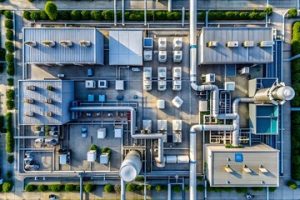
Energy efficiency is another major advantage of modern HVAC systems. Traditional systems typically operated at full capacity whenever they were turned on, regardless of the actual demand. This resulted in excessive energy use and unnecessary wear on system components. Modern HVAC technology, however, uses variable-speed motors and intelligent controls to adjust output based on real-time needs. Instead of cycling on and off repeatedly, the system runs more smoothly and efficiently, consuming less energy while still maintaining desired comfort levels.
Indoor air quality has also become a primary focus of modern HVAC design. People now spend more time indoors than ever before, making clean and healthy air a critical concern. Modern systems incorporate enhanced filtration, improved ventilation, and humidity regulation to reduce airborne contaminants. These features help minimize dust, allergens, and other particles that can affect respiratory health. Better air circulation also prevents stagnant air, creating a fresher indoor environment that supports overall well-being.
Humidity control plays a crucial role in how comfortable an indoor space feels. Excess humidity can make a room feel warmer than it actually is, while overly dry air can cause discomfort to the skin and respiratory passages. Modern HVAC systems are designed to maintain balanced humidity levels automatically. By managing moisture alongside temperature, these systems create a more pleasant atmosphere year-round and help protect interior finishes, furnishings, and structural components from moisture-related damage.
Another key improvement is the integration of smart technology. Modern HVAC systems often work with programmable or smart thermostats that allow users to customize comfort settings based on daily routines. These controls can learn usage patterns and automatically adjust temperatures to reduce energy use when spaces are unoccupied. Remote access features allow adjustments from anywhere, ensuring comfort without wasting energy. This level of control not only improves convenience but also contributes significantly to long-term energy savings.
Modern HVAC systems are also designed with sustainability in mind. Energy-efficient components reduce overall power consumption, which in turn lowers environmental impact. Improved system performance means fewer emissions associated with heating and cooling, making these systems a responsible choice for environmentally conscious property owners. Many systems are engineered to work efficiently with renewable energy sources, further enhancing their role in sustainable building practices.
Noise reduction is another area where modern HVAC systems excel. Older equipment often produced noticeable sound during operation, which could disrupt daily activities or work environments. Newer systems use advanced motor technology, insulated components, and refined airflow design to operate much more quietly. This creates a more peaceful indoor environment, especially in residential settings, offices, and spaces where concentration is important.
The durability and longevity of modern HVAC systems also contribute to their efficiency. Advanced materials and improved engineering reduce wear and tear on system components. Because these systems operate more smoothly and avoid constant start-and-stop cycles, they experience less mechanical stress. This not only improves reliability but also reduces the need for frequent repairs, helping property owners save money over time while enjoying uninterrupted comfort.
Modern HVAC systems are designed to adapt to different building needs. Whether serving a small residential space or a large commercial structure, these systems can be customized to match specific requirements. Flexible system configurations allow for better airflow distribution, targeted heating and cooling, and scalable solutions that grow with changing demands. This adaptability ensures optimal performance regardless of building size or layout.
There are several key features that illustrate how modern HVAC systems improve comfort and efficiency:
- Variable-speed technology, which allows systems to adjust output gradually rather than operating at full capacity all the time.
- Advanced filtration and ventilation, designed to improve indoor air quality while maintaining energy efficiency.
These features work together to create a balanced indoor environment that feels comfortable while using less energy than traditional systems.
Another important aspect of modern HVAC systems is their ability to respond quickly to environmental changes. External weather conditions, indoor occupancy levels, and heat-generating activities can all influence indoor comfort. Modern systems use sensors to detect these changes and adjust operation accordingly. This responsiveness ensures that indoor conditions remain comfortable without unnecessary energy consumption, even during periods of fluctuating demand.
Maintenance also plays a role in the performance of modern HVAC systems. While regular servicing is still necessary, modern designs often include diagnostic features that identify potential issues early. These systems can alert users to performance irregularities before they become major problems. Early detection helps maintain efficiency, extends system lifespan, and prevents unexpected breakdowns that could compromise comfort.
Energy-efficient HVAC systems can also contribute to lower operating costs over time. Although the initial investment may be higher than older technology, the long-term savings often outweigh the upfront expense. Reduced energy consumption leads to lower utility bills, and improved system reliability minimizes repair costs. Over the life of the system, these savings can be substantial, making modern HVAC solutions a financially sound choice.
Comfort is not just about temperature—it is about how a space feels overall. Modern HVAC systems address this by combining precise temperature control, balanced humidity, clean air, and quiet operation. The result is an indoor environment that supports productivity, relaxation, and health. Whether in a home or a workplace, this level of comfort enhances daily experiences and contributes to better quality of life.
Another set of benefits highlights the comprehensive nature of modern HVAC technology:
- Improved energy management, allowing property owners to optimize usage without sacrificing comfort.
- Enhanced indoor environmental control, combining temperature, humidity, and air quality in one integrated system.
These advantages demonstrate how modern HVAC systems are designed to meet multiple needs simultaneously rather than focusing on temperature alone.
As building standards continue to evolve, HVAC systems are expected to play an even greater role in energy efficiency and indoor comfort. Modern systems are already aligned with these expectations, offering performance that supports healthier indoor environments and responsible energy use. Their ability to integrate with building automation and smart technologies ensures they remain relevant as properties become more connected and efficient.
In conclusion, modern HVAC systems represent a significant advancement in how indoor spaces are heated, cooled, and maintained. By delivering consistent comfort, improving air quality, controlling humidity, and reducing energy consumption, these systems go far beyond the capabilities of older technology. Their intelligent design, adaptability, and efficiency make them an essential component of modern buildings. For property owners seeking long-term comfort, lower energy costs, and improved indoor environments, modern HVAC systems offer a solution that meets today’s demands while preparing for the future.
Visit our Professional Services Blogs
Neuro Terrain, Kevin Hawk Fishing, Sunset Hills, Sertoma Butterfly House And Marine Cove, Bowie Pest Control, Census Profiler, Robervin Construction